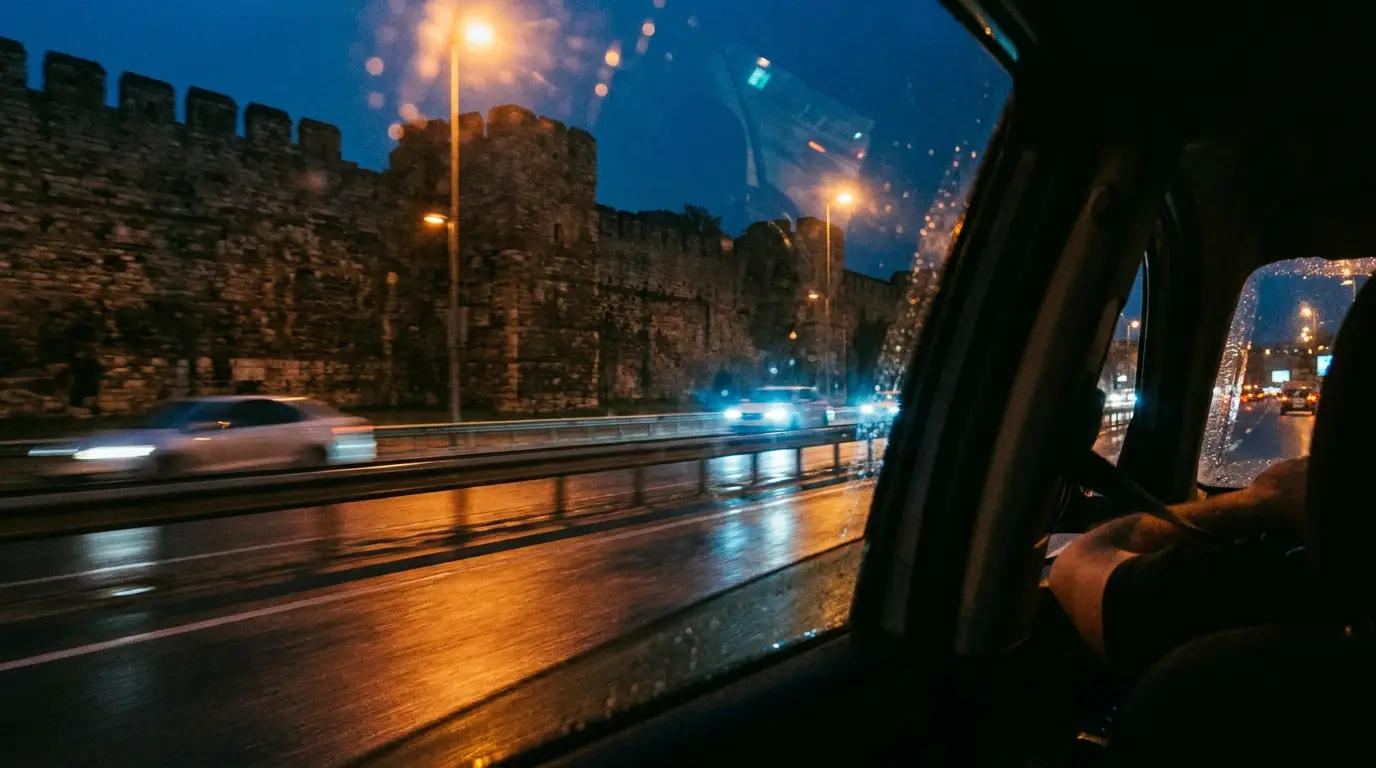
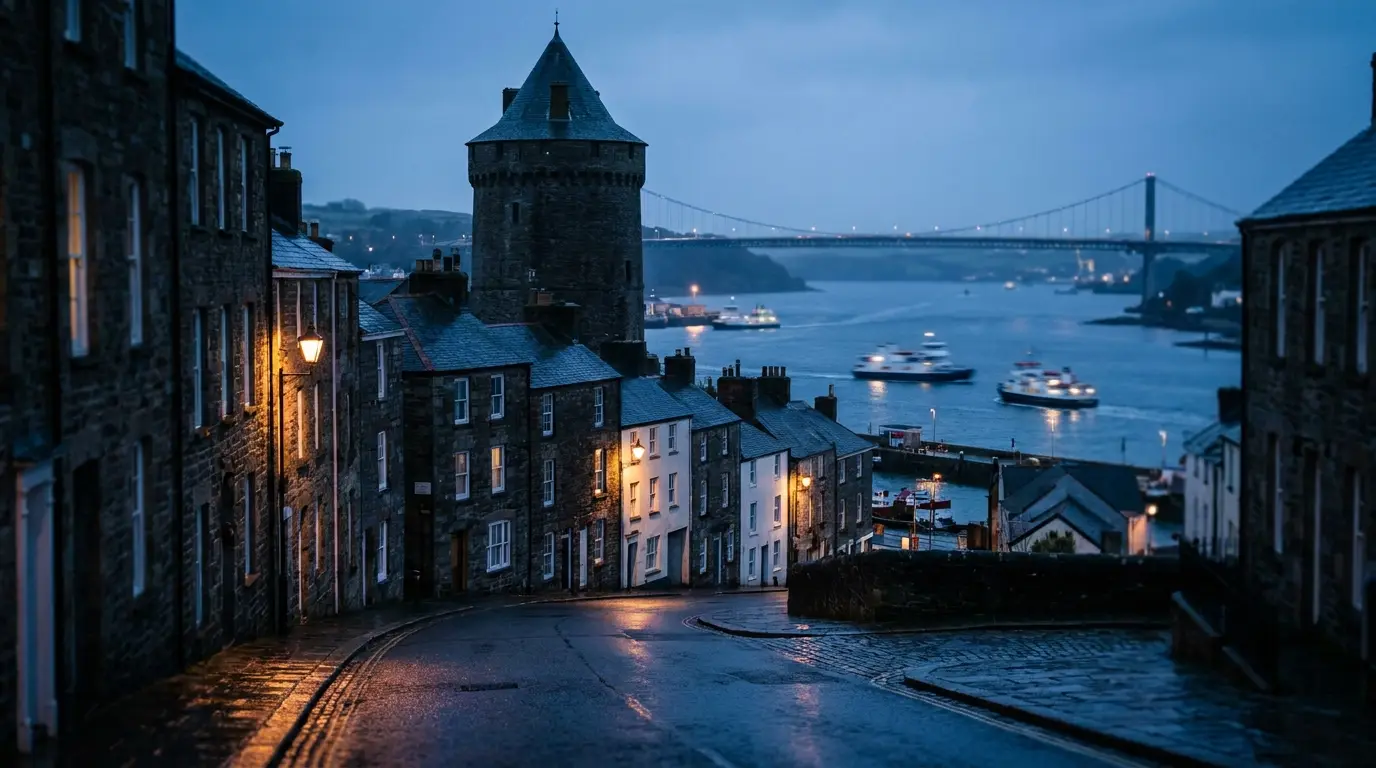
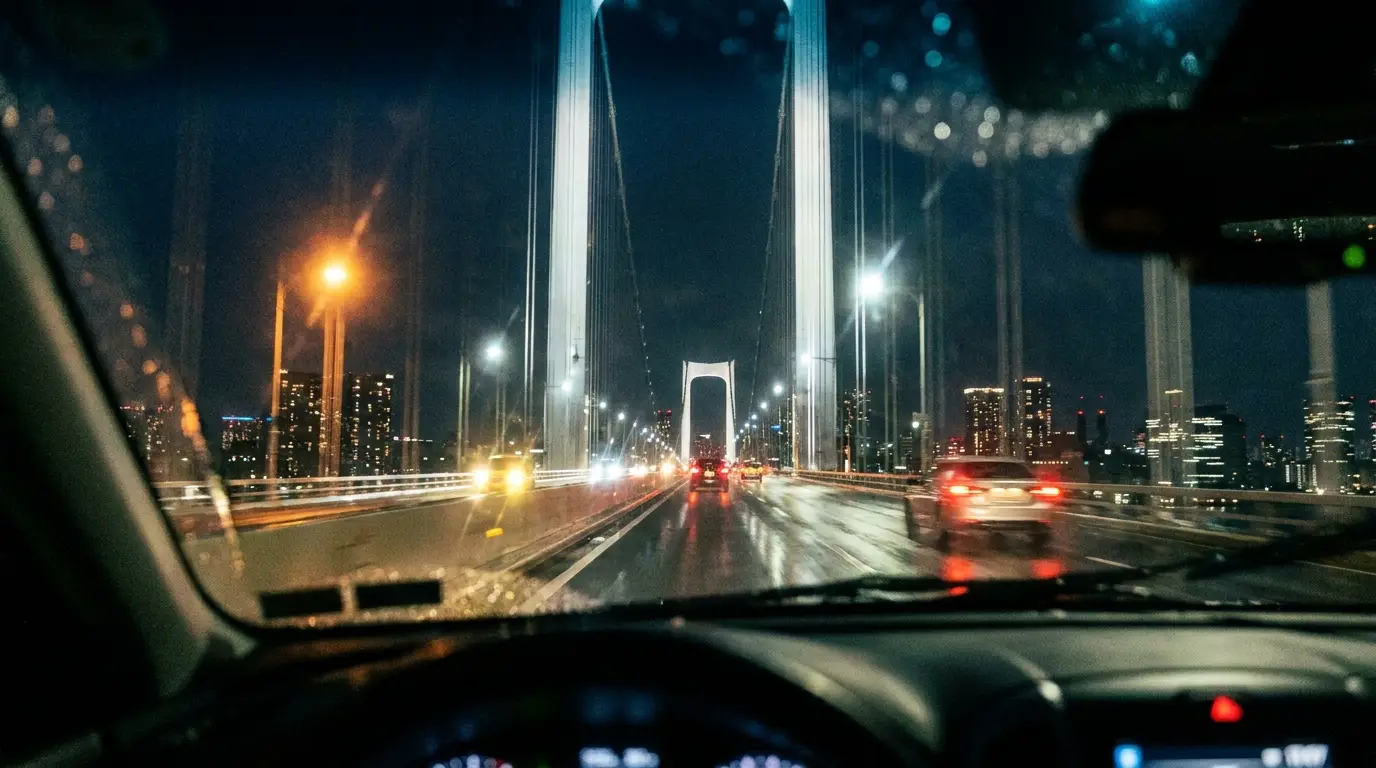
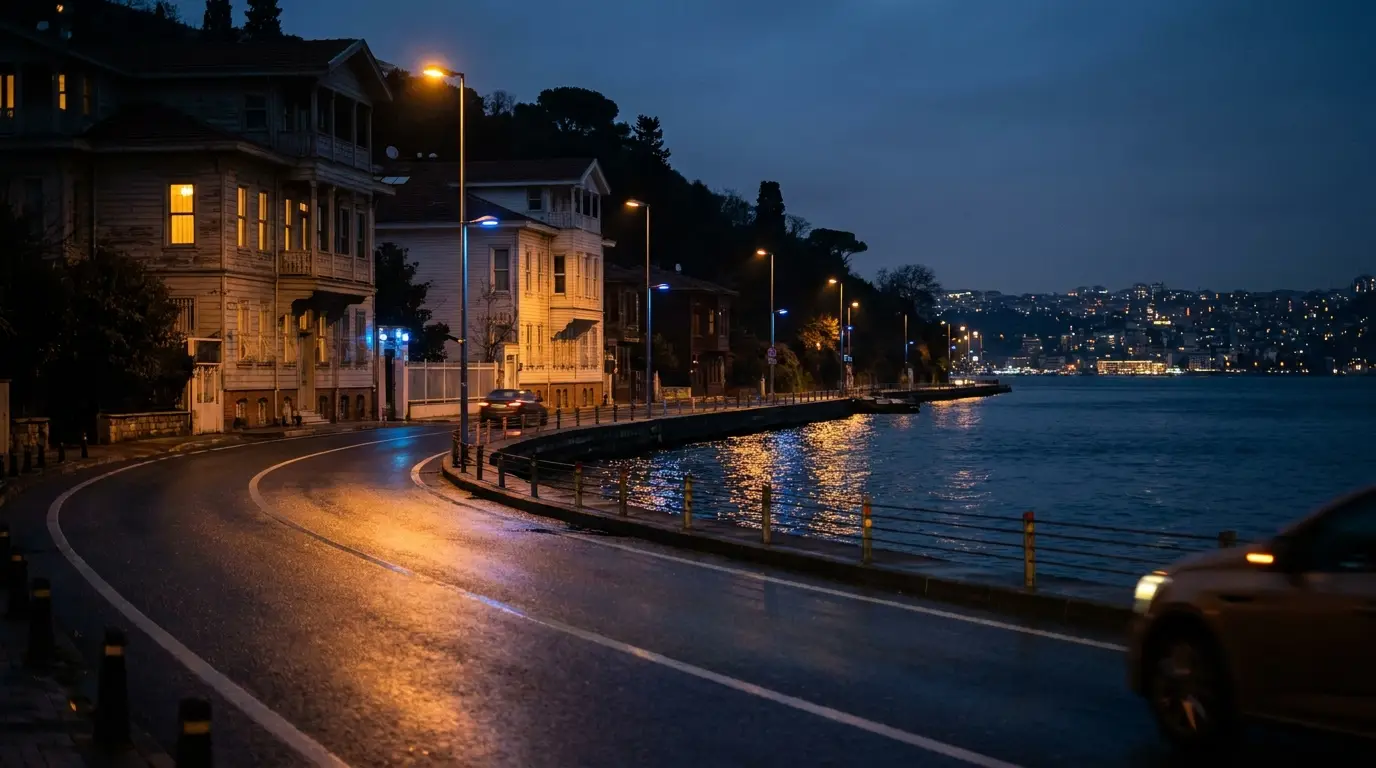
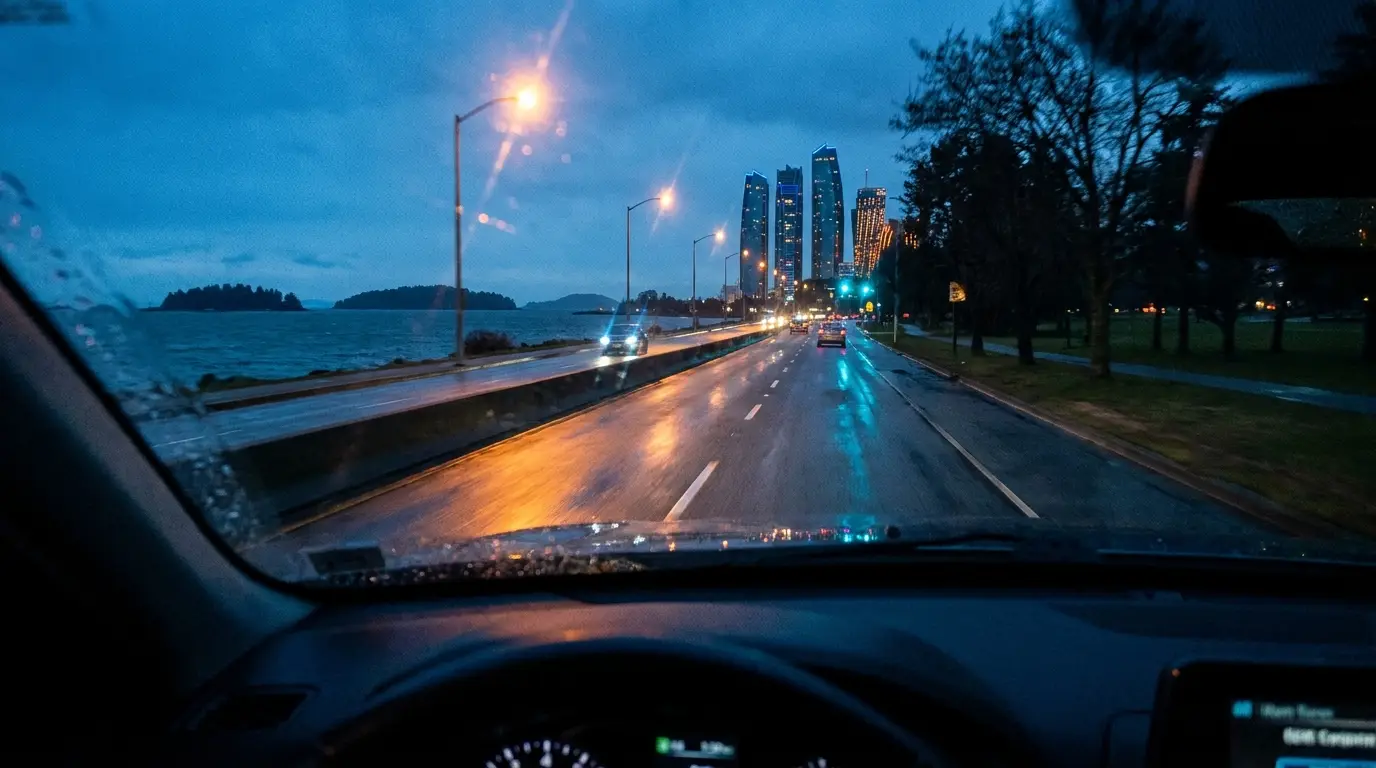
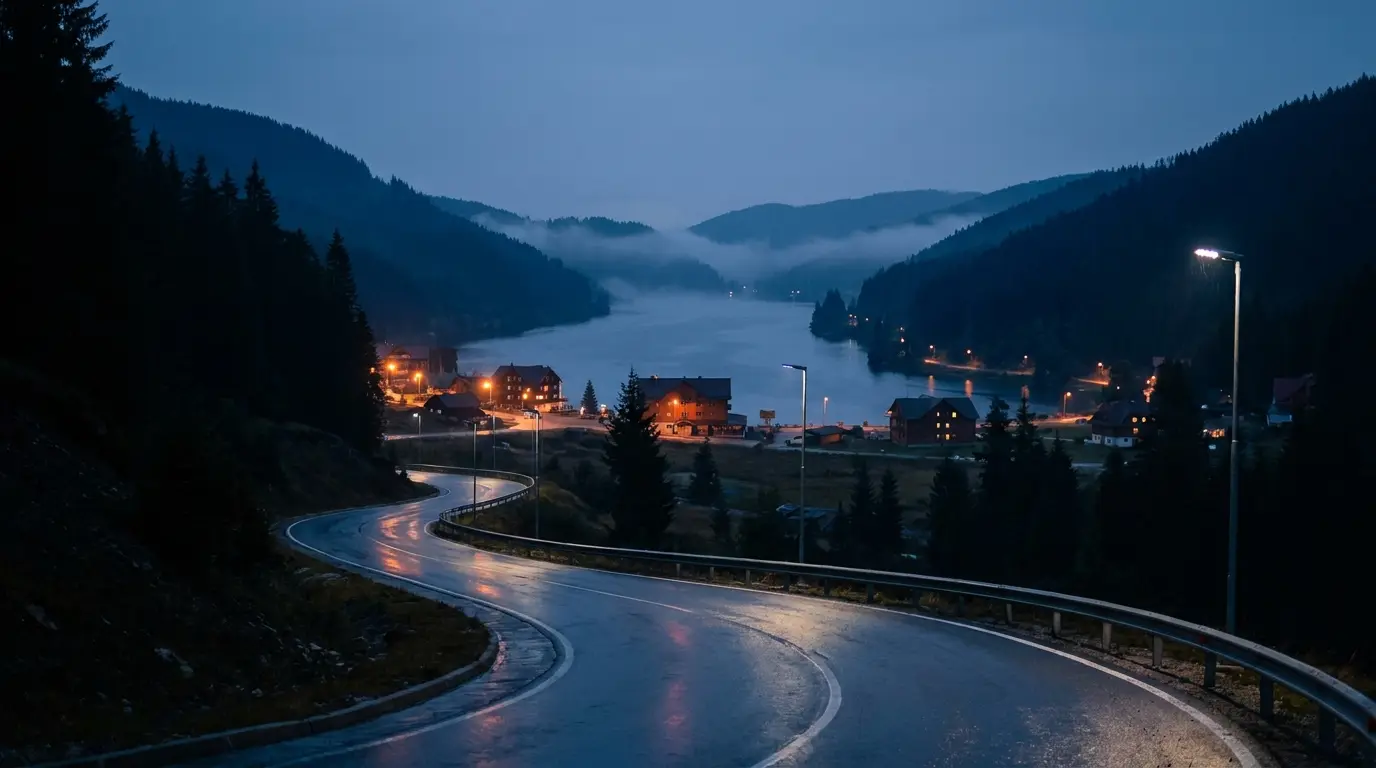
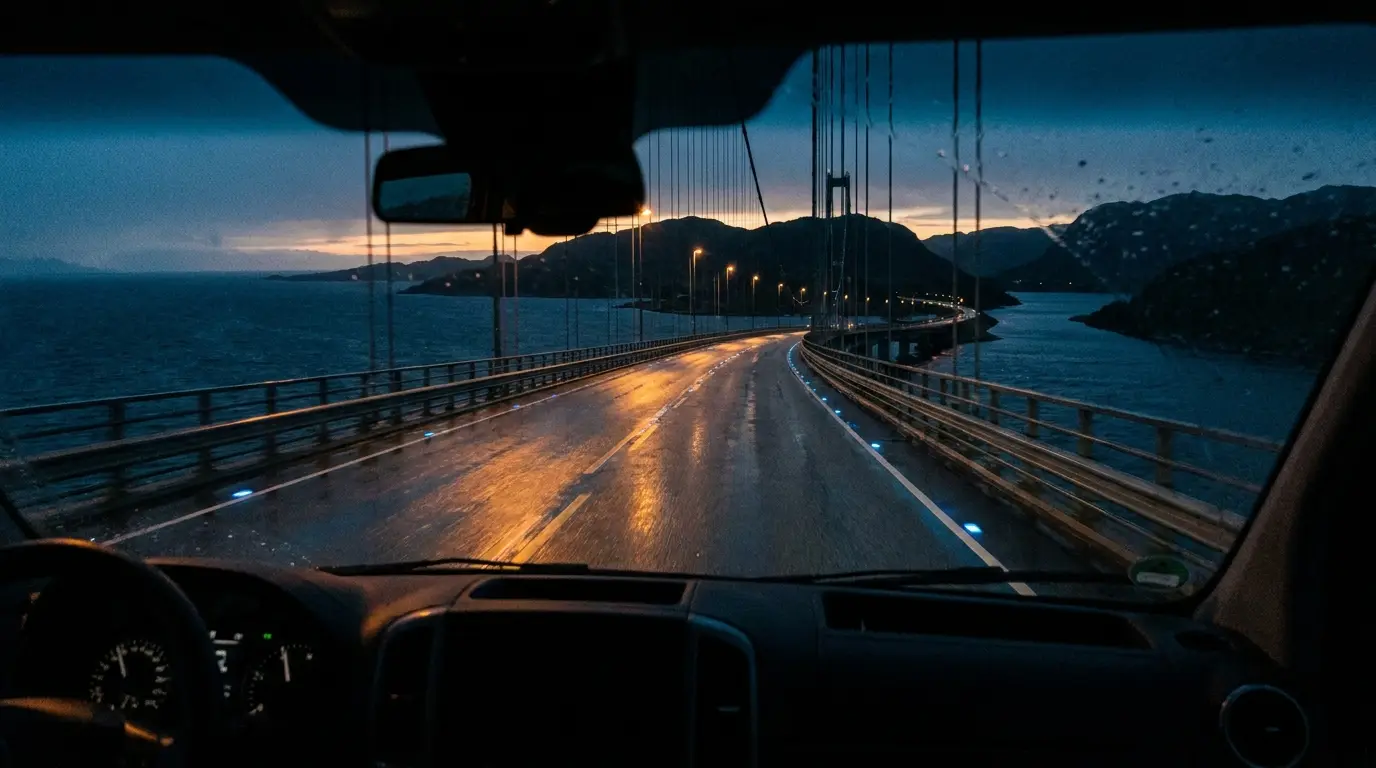
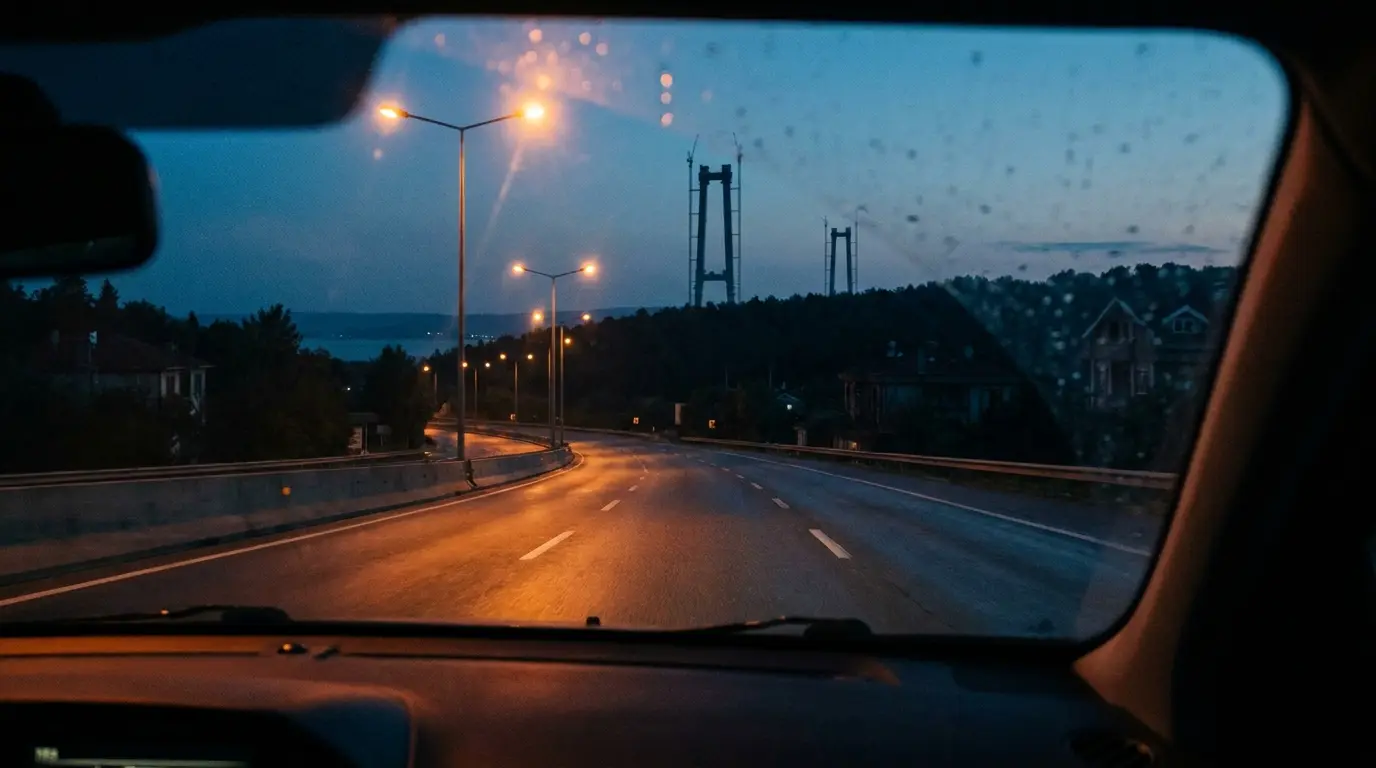
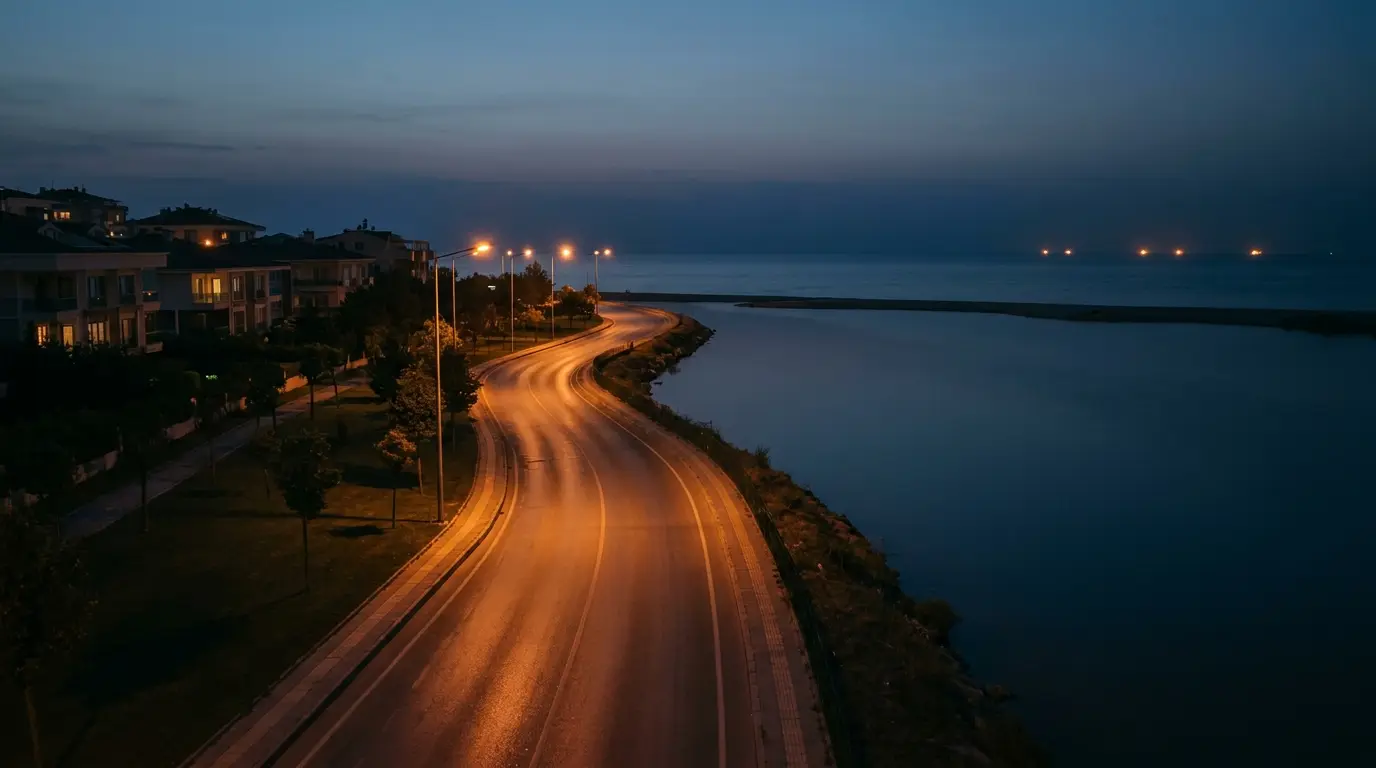
The drive from the airport into the city takes between 45 and 90 minutes. During it, what you see through the window is narrated in order: which walls you are passing, what the tower opposite is, why the water beneath you matters. You can read it or listen to it.
This journey cuts across the city from north-west to south-east, towards the Byzantine walls. The last twenty minutes run almost entirely alongside a defensive line that is sixteen centuries old.
This route descends towards the side of the city that grew in the nineteenth century. Its final stretch runs through the neighbourhoods that look most European in Istanbul.
Halfway through this journey you change continents. The bridge crossing takes two minutes, but they are the two minutes that best explain why Istanbul has been fought over for so long.
There is no bridge on this journey. Sabiha Gökçen is already on the Asian side, and the road runs from Istanbul's eastern industrial belt down to the Marmara shore and into the city's oldest line of settlement. In forty minutes, manufacturing, finance and the sea pass the window in turn.
This journey leaves the city. It takes close to two hours and the view changes completely three times: first the Bosphorus from the bridge, then Turkey's densest industrial gulf, and finally a lake opened by a fault line. Once the city is behind you the window does not go empty.
This journey does not go around the Marmara, it cuts across it. The Osmangazi Bridge crosses the mouth of the gulf and takes an hour off the road. After the bridge the view changes at once: industry ends, the plain begins, and at the end of the road a wall of mountain two and a half thousand metres high rises behind the city.
This journey does not cross the city but the north of it. It begins where the built-up area ends, runs through forest and four-hundred-year-old aqueducts, then changes continent on a bridge. Because it never enters the traffic, it is also the most predictable route.
This is the shortest journey out of the airport and it stays on the European side throughout. In forty-five minutes you pass a lagoon, the village where a treaty shrank an empire, and a closed airport.
A link to this page arrives with your booking confirmation, and you can also open it from the QR code on the seat back. The narrations are ordered to follow the journey, so simply moving through them in sequence is enough. The audio uses your phone's own speech synthesis: it works on a weak connection and does not consume your data.
Read-aloud currently uses your phone's speech synthesis. Studio-recorded narration will be introduced at the production stage.
Book your transfer
See your price now
See your price, enter your flight number and complete the booking. Your confirmation arrives with the driver's details.